
Understanding psychological triggers in gambling behavior
Emotion plays a pivotal role in gambling behavior, influencing decisions and reinforcing patterns of play. The thrill of winning can evoke feelings of joy and euphoria, making players more likely to return for another round. Conversely, the despair of loss can trigger emotional responses that lead to further gambling in an attempt to recoup losses, often referred to as “chasing losses.” This emotional rollercoaster fuels the gambling cycle, making it increasingly difficult for individuals to recognize the impact of their decisions. Additionally, many players might explore the offerings on the lizaro casino official site to maximize their high-stakes gambling experiences.

Additionally, the concept of “near misses,” where players come close to winning without actually succeeding, can elicit strong emotional reactions. These experiences can create an illusion of control, leading players to believe that a win is just around the corner. Such beliefs can foster a continuous engagement with gambling, reinforcing the notion that emotional highs and lows are part of the game. Understanding the emotional dynamics at play can help individuals identify when they may be gambling more out of emotional necessity than for entertainment.
Moreover, the social aspect of gambling can amplify emotional triggers. When players engage with friends or in a lively casino environment, the social pressure can enhance feelings of excitement and community. This camaraderie may lead to more impulsive decisions, as the desire to fit in and share in the experience can overshadow rational thought. Recognizing the emotional context of gambling can be crucial for anyone looking to maintain a healthy relationship with their gaming habits.
Understanding the psychology of risk and reward is fundamental to comprehending gambling behavior. People are naturally drawn to high-stakes environments due to the potential for substantial rewards. The anticipation of winning can create a dopamine rush, reinforcing the idea that taking risks is not only acceptable but also desirable. This mechanism can lead to repeated gambling, as the brain associates the thrill of potential wins with pleasurable experiences.
Furthermore, the structure of gambling games often capitalizes on this psychology. Games are designed to provide intermittent rewards, which can lead to a phenomenon known as variable reinforcement. This unpredictability keeps players engaged, as they can never predict when the next win might occur. The sporadic nature of wins can create addictive behaviors, as players are conditioned to return in hopes of experiencing that elusive jackpot. The constant cycle of risk and reward thus becomes a driving force in gambling behavior.
In addition, cognitive biases play a significant role in how players perceive risk and reward. Many gamblers may overestimate their chances of winning based on past experiences or anecdotal evidence, leading to an inflated sense of confidence. This misguided perception can encourage further gambling, as individuals believe they possess a winning strategy or that they are “due” for a win. Understanding these psychological factors can aid in developing strategies to mitigate excessive gambling behaviors.
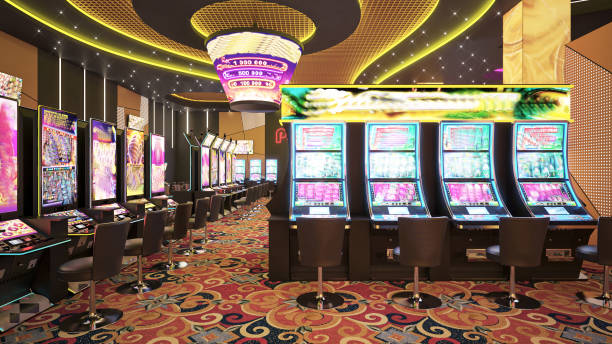
The environment in which gambling occurs can significantly impact behavior. Casinos and online platforms are carefully designed to enhance excitement and engagement, often using bright lights, sounds, and other sensory stimuli to create an immersive experience. These elements can distract players from the financial implications of their gambling and encourage prolonged play. The atmosphere is crafted to elicit emotional responses that can overshadow rational decision-making.
Social influences also play a critical role in shaping gambling behavior. Peer pressure, social norms, and group dynamics can all contribute to an individual’s willingness to gamble. For instance, if an individual is in a group of friends who regularly gamble, they may feel compelled to join in, even if they had no intention of gambling initially. This desire to conform can lead to increased gambling activity and a heightened risk of developing problematic behaviors.
Moreover, social interactions within gambling spaces can create a sense of community and shared experience. While this camaraderie can enhance enjoyment, it can also lead to increased spending and risk-taking behaviors. People may feel compelled to keep up with their peers or prove their loyalty to the group, blurring the lines between casual gaming and problematic gambling. Recognizing these social dynamics can be essential for understanding and addressing gambling behaviors.
Cognitive biases significantly impact gambling decisions, often leading players to make irrational choices. One common bias is the illusion of control, where gamblers believe they can influence outcomes in games of chance. For instance, a player might think that using a specific strategy or playing a certain way will lead to more wins. This belief can result in continued gambling, even when the odds are clearly against them. Understanding this bias can help players recognize when they are operating under false pretenses.
Another prevalent bias is the gambler’s fallacy, which occurs when individuals assume that past events can influence future outcomes. A player might believe that after a series of losses, they are “due” for a win, leading them to continue gambling despite increasing risks. This fallacy can perpetuate the cycle of gambling behavior, as individuals fail to recognize that each spin of the wheel or roll of the dice is an independent event.
Additionally, confirmation bias can reinforce existing beliefs about gambling. Players may selectively remember wins while ignoring losses, creating a distorted view of their success. This skewed perspective can lead to increased gambling activity, as individuals focus on their winning moments rather than a balanced view of their overall performance. Being aware of these cognitive biases is crucial for fostering a healthier gambling mindset.
Lizaro Casino is committed to promoting responsible gaming among its players. With a vast selection of over 10,000 games, the platform not only offers excitement but also provides resources to help players maintain control over their gambling habits. Players can access tools for setting limits on their deposits and wagers, ensuring that they can enjoy gaming without succumbing to excessive behaviors.
The casino emphasizes education about the psychological triggers of gambling behavior, providing insights into the risks and rewards associated with different games. This knowledge empowers players to make informed decisions, fostering a healthier gaming environment. By understanding the emotional and cognitive factors that influence gambling, players can engage more responsibly.
Moreover, Lizaro Casino prioritizes security and support, offering 24/7 assistance to address any concerns players may have. With robust encryption and a focus on player safety, Lizaro ensures that gaming remains a fun and enjoyable experience. The platform’s dedication to responsible gaming is part of what makes it a premier choice for gaming enthusiasts seeking an exciting yet controlled environment.